Best Time to Visit Ketchikan, Month by Month
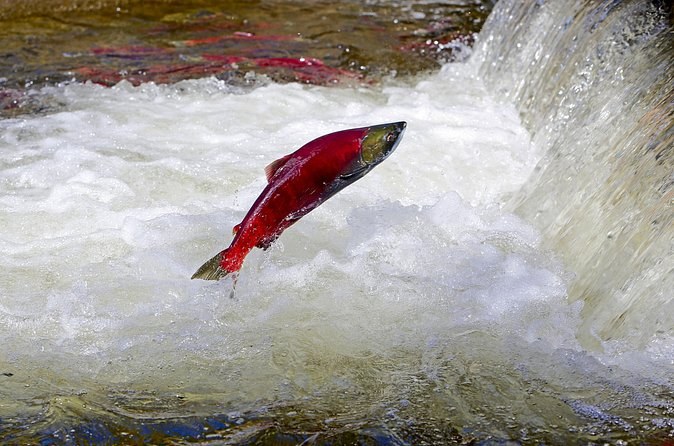
The short answer. June to August. June is the driest month, July and August are the warmest, and the creek in town fills with spawning salmon in July and August. May and September sit at the edges of the season, and September is wetter. From October to April much of the town runs on winter hours.
Most visitors cannot choose their day: the ship chooses it. If you can choose the month, this guide sets out what each one brings, from the rain gauge to the salmon run. Whichever month you land, the tours in Ketchikan Alaska run on port days through the season. The figures are NOAA's 1991-2020 normals at Ketchikan International Airport.
What is the best time to visit Ketchikan?
For weather, June: it averages 7.02 inches of rain, the lowest of any month. For warmth, July and August, with average highs of 64.5°F and 64.7°F. For salmon, July and August, when the Alaska Department of Fish and Game says the creek fills with spawners.
Put together, late June to mid-August is the sweet spot. The museums keep their longest hours from May to September: the Discovery Center opens daily from 1 May to 30 September, and the Totem Heritage Center daily from May to September.
May: the season opens
Average high 56.9°F, 8.68 inches of rain, 16 rainy days. The Discovery Center switches to daily opening on 1 May. The King Salmon Derby runs from late May into June. It is cooler than summer, so pack a warm layer for the boats. The lodge boat reports whales on its route from May, and the museums are back on their long summer days.
June: the driest month
Average high 61.3°F and 7.02 inches of rain, the least of the year, over about 16 rainy days. The derby continues into June. If a floatplane is your one big booking, the driest month is the one to aim for. A whale boat and a fishing charter fit a June port day just as well, and the Zodiac's rain gear still earns its keep.
July: salmon arrive and the town fills
Average high 64.5°F, 7.33 inches of rain, 16 rainy days. The salmon arrive in Ketchikan Creek, and road-tour guides say spawning starts this month. The Fourth of July brings a parade, a duck race and fireworks. It is peak season, so book small-group tours well ahead. The small van adds its salmon ladder stop in spawning season, and you can watch the fish from the Creek Street bridges for nothing.
August: salmon in the creek, and the warmest highs
Average high 64.7°F, the warmest of the year, but rain climbs to 11.30 inches. The creek is full of salmon. The Blueberry Arts Festival runs at the turn of the month; in 2026 it ran from 31 July to 2 August, and the 2027 dates are not yet published. The small van's guides put bears at Herring Cove at their most common from mid-July to late September. These are the weeks to book a bear trip to Neets Bay or Polk Inlet, knowing no tour promises a bear.
September: the rain returns
Average high 58.9°F, 14.30 inches of rain over about 20 rainy days. The Discovery Center stays open daily until 30 September, and the airport ferry's second summer boat ran until 18 September in 2026. The road-tour guides still put bears at Herring Cove into late September. Bring full rain gear, or choose a covered boat: a cabin makes the difference this month.
When is whale season in Ketchikan?
No official source publishes a whale season for Ketchikan. The lodge boat reports whales often sighted along its route from May through September. The whale boats are sold for summer port days, and none guarantees a sighting.
So any summer month gives you a chance. Compare the boats on Ketchikan whale watching tours.
When is bear season in Ketchikan?
No official page publishes bear-season dates for Neets Bay, Polk Inlet or Herring Cove. What is published is the salmon: bears come to the streams to feed on it, and the creek in town fills with spawners in July and August.
The small van's guides give mid-July to late September for bears at Herring Cove. For the long bear trips, check the date you want in the tour's own calendar before you plan around it.
What is Ketchikan like from October to April?
Wet and quiet. October is the wettest month at 18.37 inches, and November has the most rainy days at nearly 24. January averages a high of 39.7°F, and December 40.2°F with 16.27 inches of rain. The Discovery Center opens only on Fridays and Saturdays, with no fee. The Totem Heritage Center keeps shorter hours, 1pm to 5pm on weekdays.
The tours here are sold for cruise port days, so check each calendar before planning a winter trip. Every month is set out on Ketchikan weather.
What does the rain mean for your plans?
That you plan with it, not around it. Even June and July average about 16 rainy days each, so a dry port day is luck rather than a plan. The tours run rain or shine, and the e-bike trip says outright that it does not cancel for rain.
Flights are the exception. A floatplane pilot may delay or cancel a flight for low cloud, so keep a covered boat or a road tour in mind as your second choice. Why the town is so wet is explained in Ketchikan rain facts.
What should you pack for each season?
Layers and a waterproof shell, in every month. Summer highs average 61°F to 65°F, but lows sit around 49°F to 53°F, and it is always colder on the water. In May and September, add a warm middle layer: highs average 56.9°F and 58.9°F.
Several tours lend gear. The Zodiac hands out full rain gear and overboots, the kayak trips lend rain jackets and pants, the Over the Top loop carries umbrellas and ponchos, and the beach walk lends a poncho and hiking poles. Waterproof shoes help everywhere, and the canopy zipline requires closed-toe shoes. The full list is on Ketchikan weather.
Which tours change with the season?
The salmon stops do. The small van visits the salmon ladder only in spawning season, and the creek is at its fullest in July and August. The bear trips follow the same fish.
The flights change with the weather rather than the calendar, so aim for the drier months if a floatplane is your one big booking; every flight is on Ketchikan seaplane tours. Fishing runs through the summer; remember the $15 one-day licence and, for king salmon, the $15 stamp. And the museums keep summer hours only from May to September.
Is May or September the better month?
On the numbers, May is drier: 8.68 inches over 16 rainy days, against 14.30 inches over about 20 in September. September is slightly warmer, with an average high of 58.9°F against 56.9°F.
The difference is wildlife. By September the salmon have run, and the small van's guides still put bears at Herring Cove into late September. If you are coming for bears, choose September and pack for rain. If you want to stay dry, choose May.
Which festivals are worth planning around?
The Fourth of July is the big summer day, with a parade, a duck race and fireworks. The Blueberry Arts Festival fills a weekend at the turn of July and August. The King Salmon Derby runs from late May into June; anglers can book a charter from Ketchikan fishing tours but should note the licence and the king salmon stamp.
How far ahead should you book a summer trip?
Before you sail, for anything with a small cap. The photo safari takes nine, Orca Cove six, the fishing charters six and the Misty Fjords flight without a landing twelve. Those fill first in July and August.
Most tours refund in full up to 24 hours ahead, so booking early costs you little. The exceptions are the landing flight and the bear flight, which are non-refundable: book those only when your port day is certain. The flights and the Neets Bay trip confirm within 48 hours, not at the moment you book.
Ketchikan month by month
| Month | High °F | Rain (in) | Rainy days | What's on |
|---|---|---|---|---|
| May | 56.9 | 8.68 | 16 | Discovery Center daily from 1 May; the derby from late May |
| June | 61.3 | 7.02 | 16 | Driest month; the derby continues |
| July | 64.5 | 7.33 | 16 | Salmon in the creek; Fourth of July |
| August | 64.7 | 11.30 | 17 | Warmest highs; Blueberry Arts Festival |
| September | 58.9 | 14.30 | 20 | Discovery Center daily to 30 September |
| October | 51.1 | 18.37 | 23 | Wettest month; winter hours begin |
| January | 39.7 | 16.17 | 22 | Winter hours; Discovery Center Fri-Sat |
Frequently asked questions
What is the best month to visit Ketchikan?
What is the rainiest month in Ketchikan?
When do the salmon run in Ketchikan?
When is the best time to see bears in Ketchikan?
Is Ketchikan warm in summer?
When is cruise season in Ketchikan?
Is September a good time to visit Ketchikan?
Next: the port day hour by hour in one day in Ketchikan, and the rain explained in Ketchikan rain facts. Every tour sits side by side on Ketchikan Alaska Tours.
Tours that make the most of the season
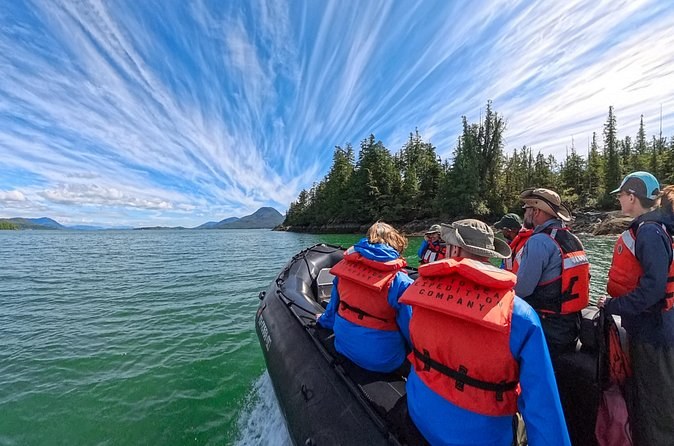
Alaska Ocean Wilderness Expedition
Twelve at most in an open Zodiac with a naturalist, in full rain gear and overboots, for 2 hours 20 minutes on the water.
From $209 per person
Check Availability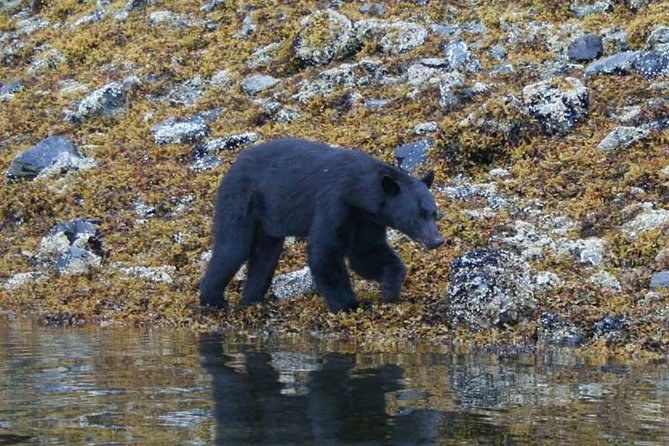
Prince of Wales Island Bear-Viewing Tour By Air From Ketchikan
A 40-minute floatplane flight each way to a Forest Service bear platform at Polk Inlet. From age 13; non-refundable once booked.
From $575 per person
Check Availability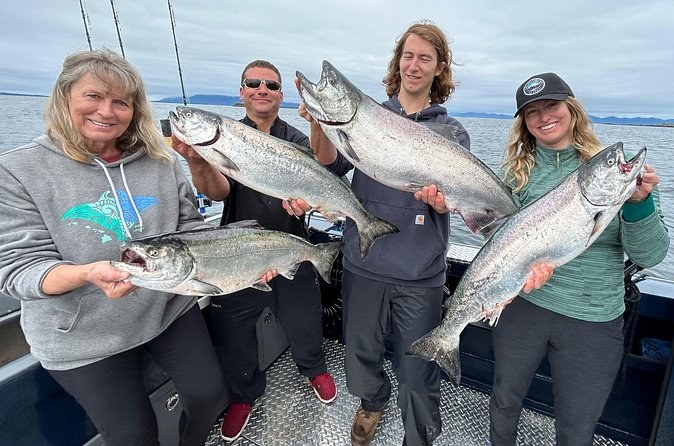
Award Winning Salmon Fishing & Wildlife - Ketchikan 4hr
Four hours from Berth 3 with six anglers at most, tackle and bait supplied, on a boat marked wheelchair accessible. Licence extra.
From $489 per person
Check Availability